Building a HTTP web server in Go
A practical step-by-step guide to build a basic HTTP web server from scratch in Go using the net/http standard library.
By Aprim Regmi -

What is a web server?
A web server is a combination of software and a computer system which accepts requests from clients or other servers, processes those requests, can interact with the databases, and sends back a proper response.
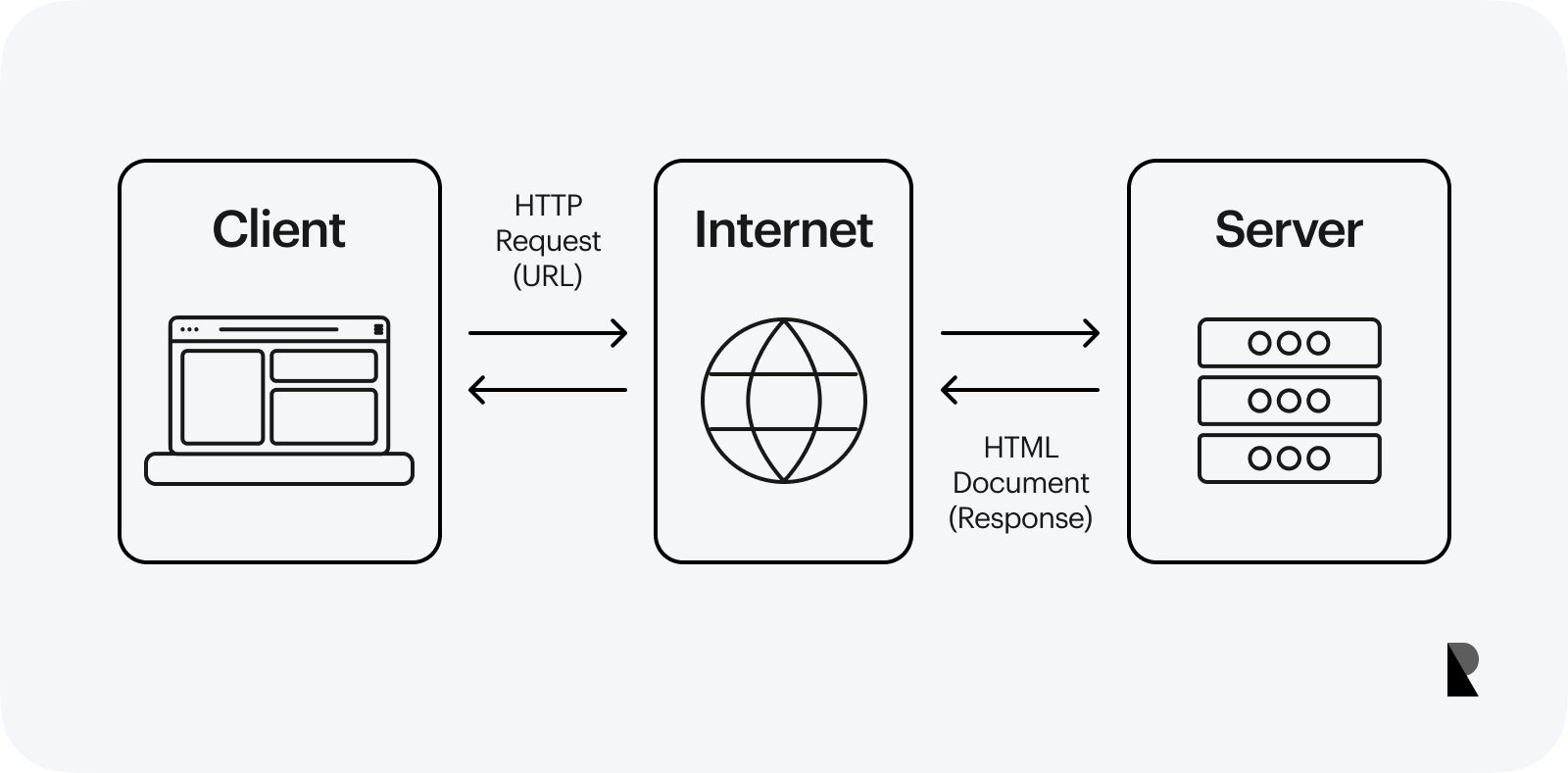
Why Go for a web server?
Unlike many other languages where you need to learn complex frameworks like Express or Django. Go provides a production ready http server at the start using its net/http standard library. Also Go was designed for fast and concurrent system from the begining of its development so it can handle thousands of requests easily.
Your first web server in Go
Go makes it very easy to build a web server. As we already discussed we don't need a heavy framework, Go's standard library already provides everything we need.
Setting up
Before we start setting up our web server, make sure you have Go installed on your machine (check with go version in your terminal)
Let's create a new folder and setup our Go server.
mkdir web-server
cd web-server
go mod init github.com/<username>/<project-name>
Then create a file named main.go. This is the entry point for our server.
Creating the server
Here is a simple working HTTP server that returns a response message.
main.go
package main

import (
	"encoding/json"
	"fmt"
	"log"
	"net/http"
)

func handleHello(w http.ResponseWriter, r *http.Request) {
	json.NewEncoder(w).Encode("Hello World")
}

func handleHome(w http.ResponseWriter, r *http.Request) {
	json.NewEncoder(w).Encode("I am a GO server")
}

func main() {
	mux := http.NewServeMux()

	mux.HandleFunc("/", handleHome)
	mux.HandleFunc("/hello", handleHello)

	fmt.Println("Server starting on port 3000...")
	err := http.ListenAndServe(":3000", mux)
	if err != nil {
		log.Fatalf("Failed to start server %v", err)
	}
}
Code Breakdown
http.NewServeMux(): Creates a router (mux) to direct incoming traffic to the correct handler function based on the URL path.http.ResponseWriter: Used to write the response data back to the client.http.Request: Contains all the information about the incoming request (URL, method, headers, parameters, body, etc.).http.ListenAndServe(":3000", mux): This starts our server on port 3000 and tells it to listen for incoming traffic using our router.
Open up the terminal and start the server by:
go run main.go
Now, open the browser and test these endpoints:
- Go to
http://localhost:3000. You will see "I am a Go server" message. - Go to
http://localhost:3000/hello. You will see "Hello World" message.
This is the simplest form a web server, it only handles GET requests for now. But we can upgrade it anytime to handle more request methods, return more properly formatted responses, and send back correct status codes.
Conclusion
And that is it, we have just built a our HTTP server in Go using GO standard net/http library. It's a good example of how simple, clean and powerful Go is for backend things.